From the farm
The November Illusion…
30 May 2026
The November Illusion…
In the business of cattle ranching, there is a concept we can call the November Option.
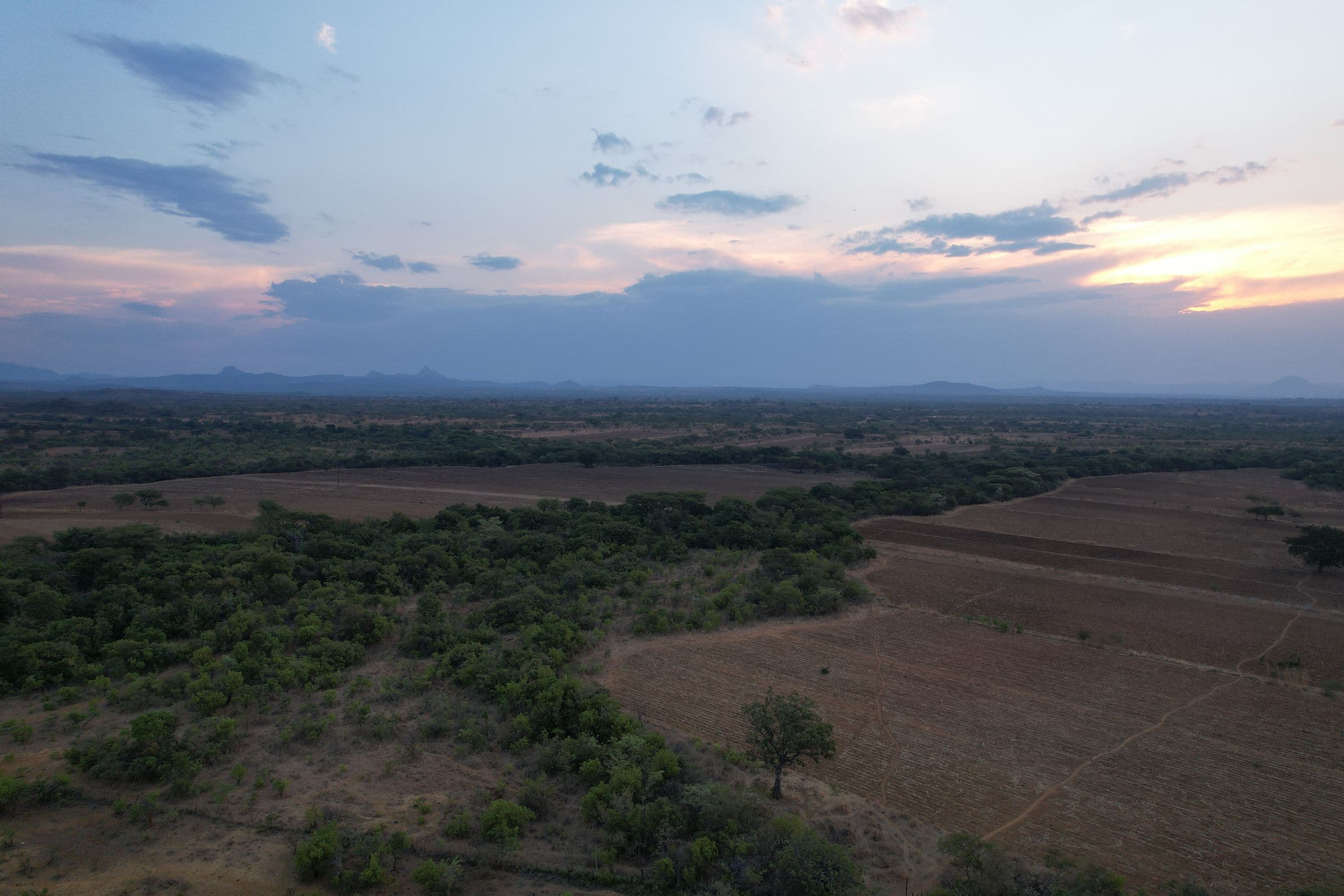
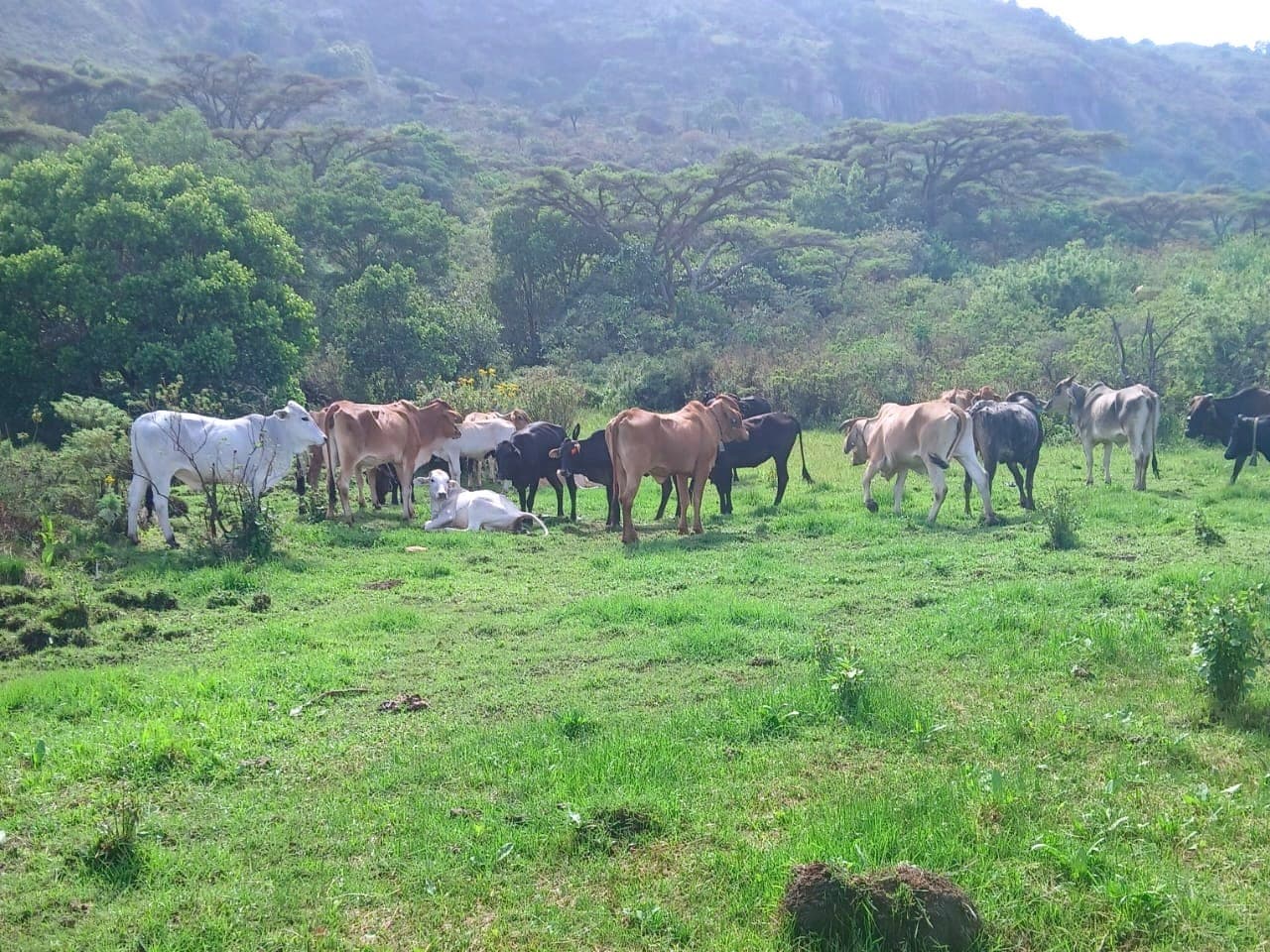
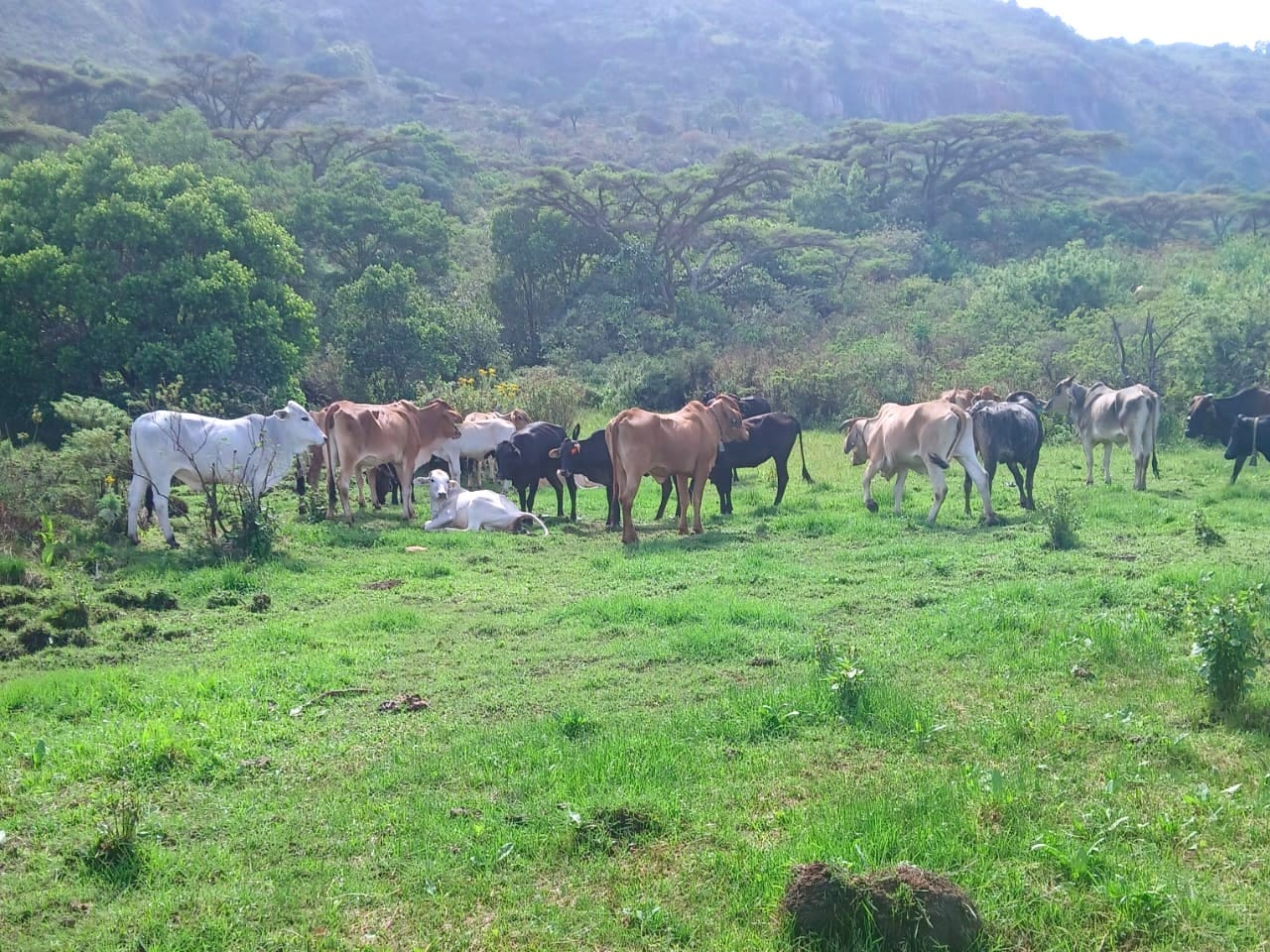
If you were drawing up a prospectus for a cattle venture in Zimbabwe, November is the slide you put on page one to convince your limited partners to wire the funds. In November, the rains start. The veld turns a lush, vibrant green, the cattle look heavy and immaculate without a single cent of nutritional supplementation, and the grass is still low enough that you don’t think about parasites. In theory, the underlying asset is appreciating daily on free solar energy and rainwater. It is a beautiful, self-sustaining financial model.
Anyway, that is not how biological assets work.
The problem with a booming ecosystem is that it doesn’t just benefit your balance sheet; it also benefits the competition. And in the Zimbabwean Highveld, the competition is a highly motivated, rapidly evolving population of ticks.
From November to April, the rain that grows the grass also creates the perfect environment for tick-borne pathogens. The most notorious of these is Theileriosis, which farmers have bluntly and accurately branded “January Disease” - as Jan is the month where it viciously surfaces, killing tens if not hundreds of cattle across the country.
The structural defense mechanism against January Disease is supposed to be routine dipping. The government provides the acaricides—the chemicals designed to liquidate the ticks—and farmers are supposed to run their cattle through the dip tanks on a strict regulatory schedule. It’s simple compliance.
Except compliance is hard, and biology is an active adversary. What actually happens is a classic case of regulatory arbitrage and evolutionary resistance. Some farmers miss their dipping schedules because managing live animals across vast acreage on a precise calendar is logistically punishing. Meanwhile, the ticks that survive the chemical treatments don’t just go away; they adapt. If you spray a herd with the same chemical cocktail long enough, you aren’t killing ticks anymore—you are just conducting a highly efficient natural selection experiment that breeds super-ticks who view your acaricide as a refreshing morning mist.
…the Arms Race
If you are running a commercial herd, a few losses are an expected line item under “shrinkage.” But if you are managing a stud breeding operation dealing with pedigree and appendix cattle, those animals are not generic commodities. They are high-value, long-duration capital assets. You cannot afford to let them become data points in an evolutionary biology lesson.
So, you have to upgrade the plumbing.
At Muozi Boran Stud, we spent the past year treated less like traditional ranchers and more like infrastructure fund managers. We upgraded our infrastructure by constructing a dedicated spray race on the farm, allowing us to process the entire herd with absolute control over delivery.
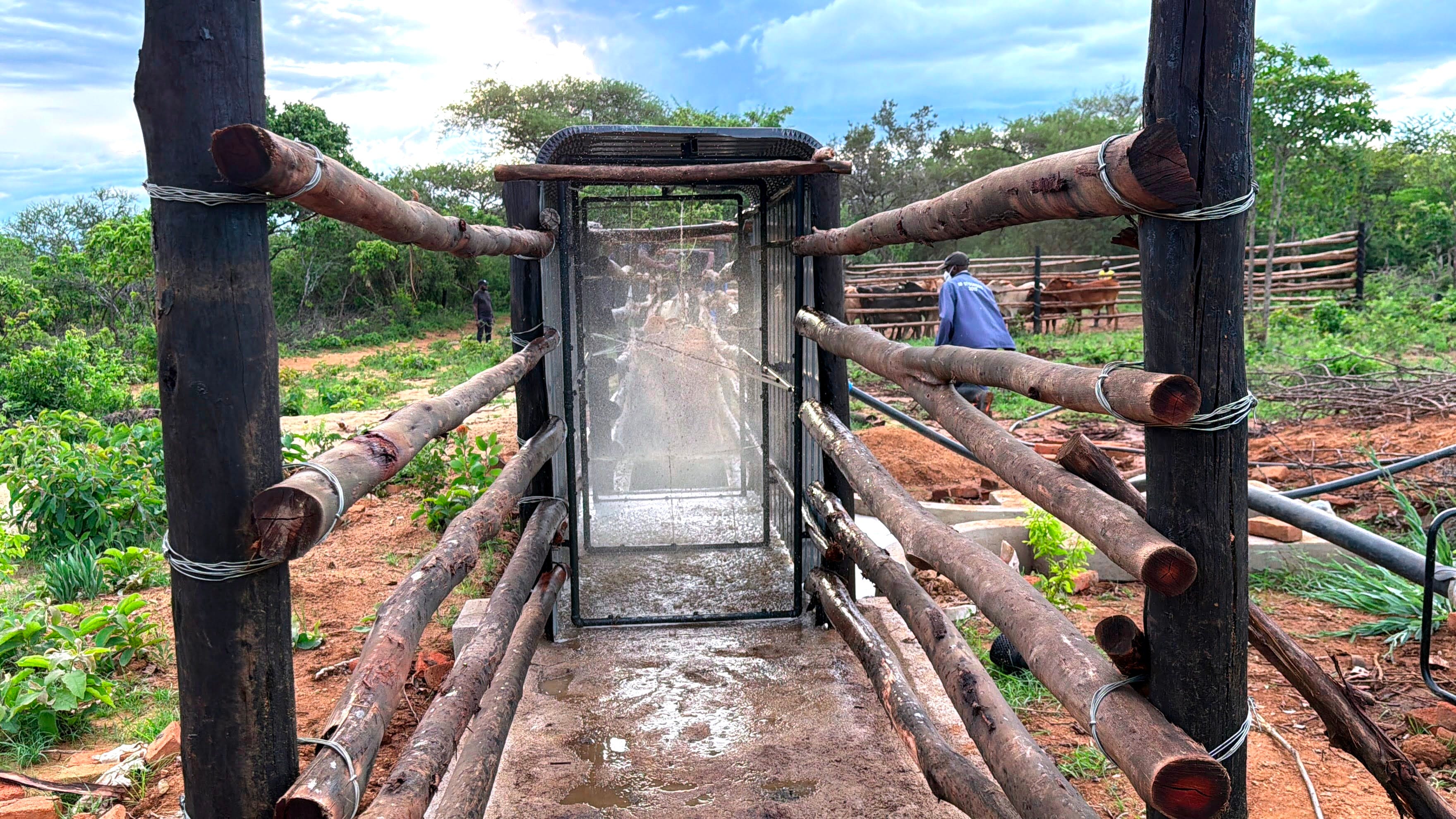
More importantly, we entered the chemical rotation game. To prevent tick resistance, you have to constantly swap out the acaricides, essentially running a high-stakes shell game where the ticks never know which chemical compound is coming down the pipe next. It is capital-intensive, logistically intense, and completely mandatory if you want to protect the genetic equity of the herd.
The Dry Horizon
We are fortunate enough to have access to diversified capital pools to fund this continuous deployment of capex. But in farming, solving the biological problem just brings you face-to-face with the macroeconomic one.
We are currently transitioning into the dry season. The green pasture of November is gone, the grass is dormant, and the model now flips from “free grazing” to “capital-intensive life support.” To keep a pedigree herd in peak physical condition when the country is completely dry requires serious cash to buy, transport, and store bulk nutritional supplements.
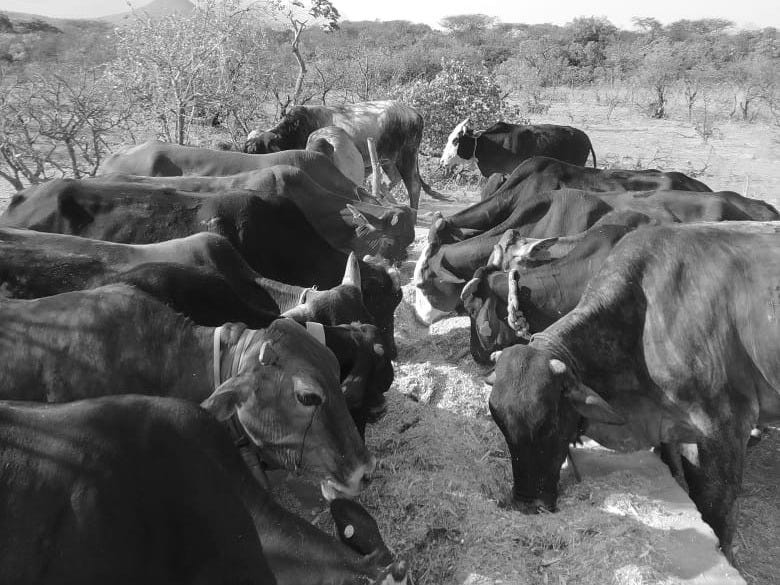
And you have to do all of this while looking at the forward curve for weather. The local market is already pricing in the risk of a severe drought for the upcoming 2026–2027 rainy season. If the rains don’t hit in November, the cost of feed will skyrocket as supply contracts.
So right now, our primary operational mandate isn’t actually looking after cows. It’s capital allocation—building a massive balance sheet buffer of physical feed sources to hedge against an unknown, potentially arid horizon.1
+++++
Which means that the reward for successfully outsmarting the January Disease super-ticks in April is the distinct privilege of writing massive checks to feed suppliers in June, while staring at the sky praying for clouds.